


Five years ago, I walked into my first Call on Congress not fully knowing what I was doing there. I called myself someone who “creates awareness.” I didn’t yet understand the difference between awareness and advocacy.
This week, I co-led the Florida delegation, and it was the most powerful experience I’ve had in five years of doing this work.
We had first-time attendees this year. People who had never been to Washington, never knocked on a congressional office door, never told their story to a legislative aide in a formal meeting setting. And watching them step into that role, watching them find their voice, reminded me exactly why I wrote From Patient to Advocate: Turning Survivorship Into Impact.
Because here’s what I know to be true: more patient voices change the equation.
When a legislative aide hears one patient story, it’s moving. When they hear ten stories in a single week — from people across Florida, across the country, across demographics — the weight of this disease becomes impossible to ignore.
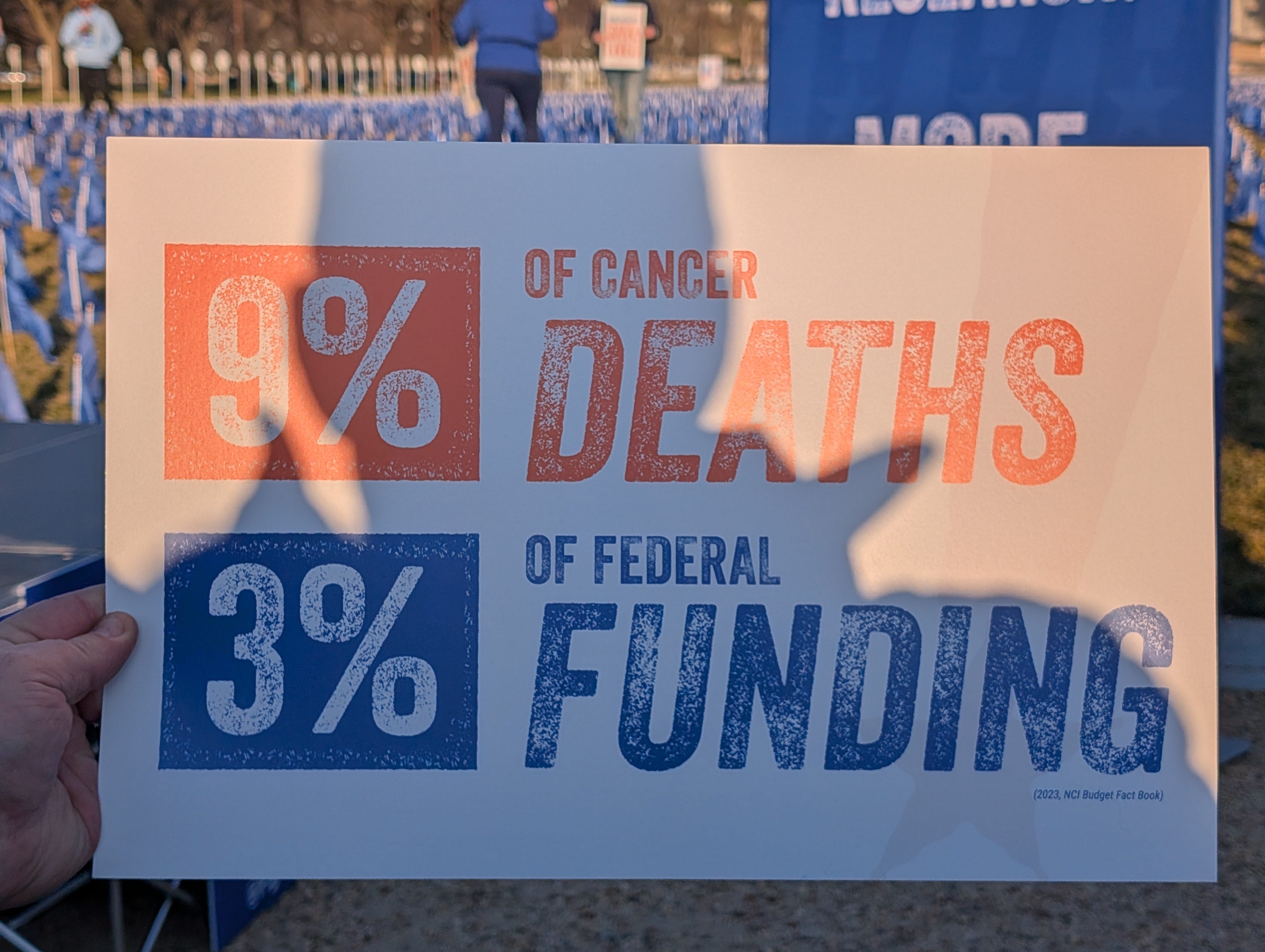
Colorectal cancer accounts for 9% of cancer deaths but receives only 3% of federal research funding. That gap is not an accident. It persists because for too long, not enough of us were in the room.
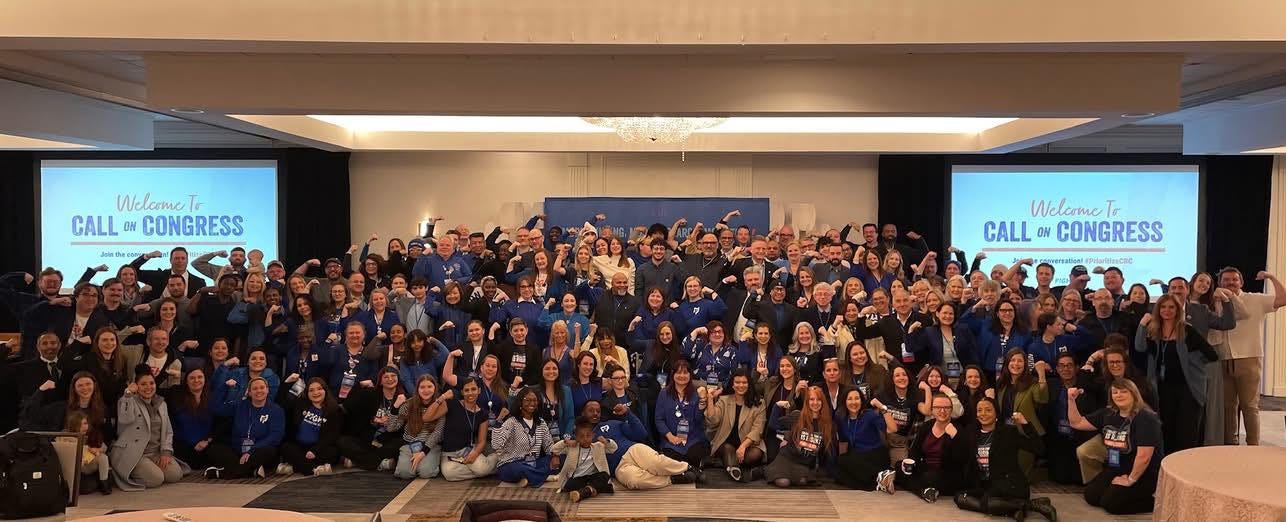
This week, we filled the room.
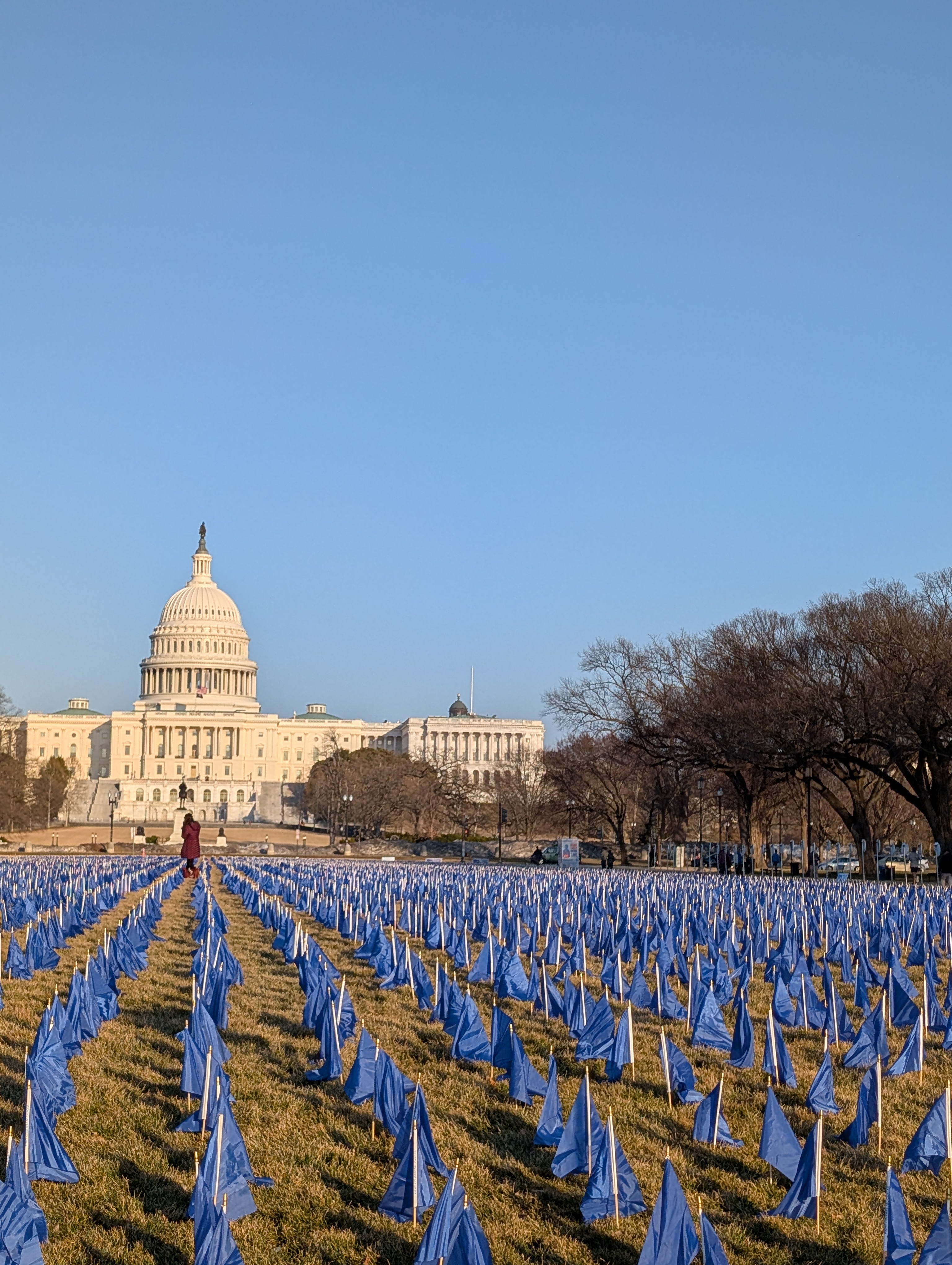
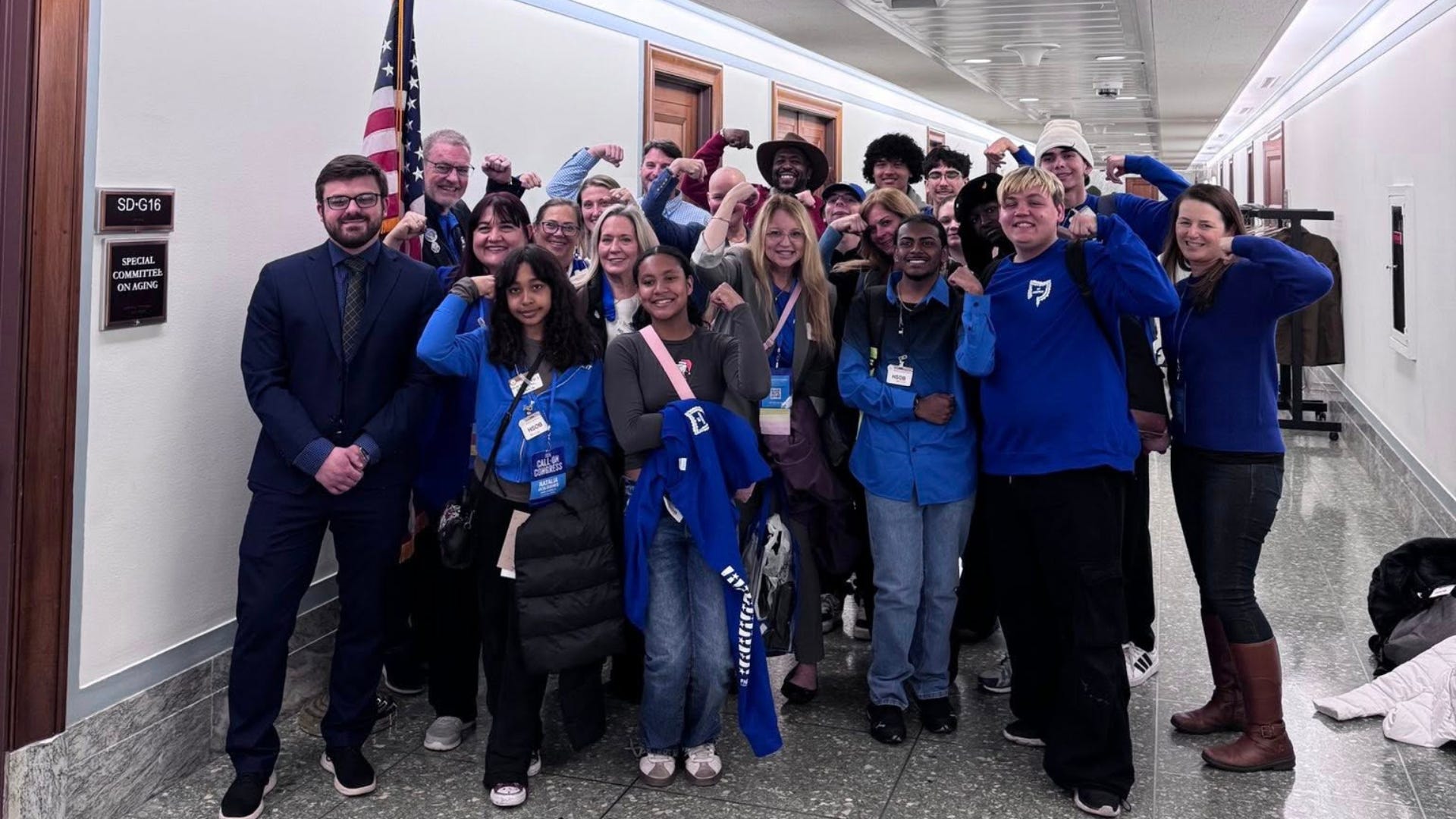
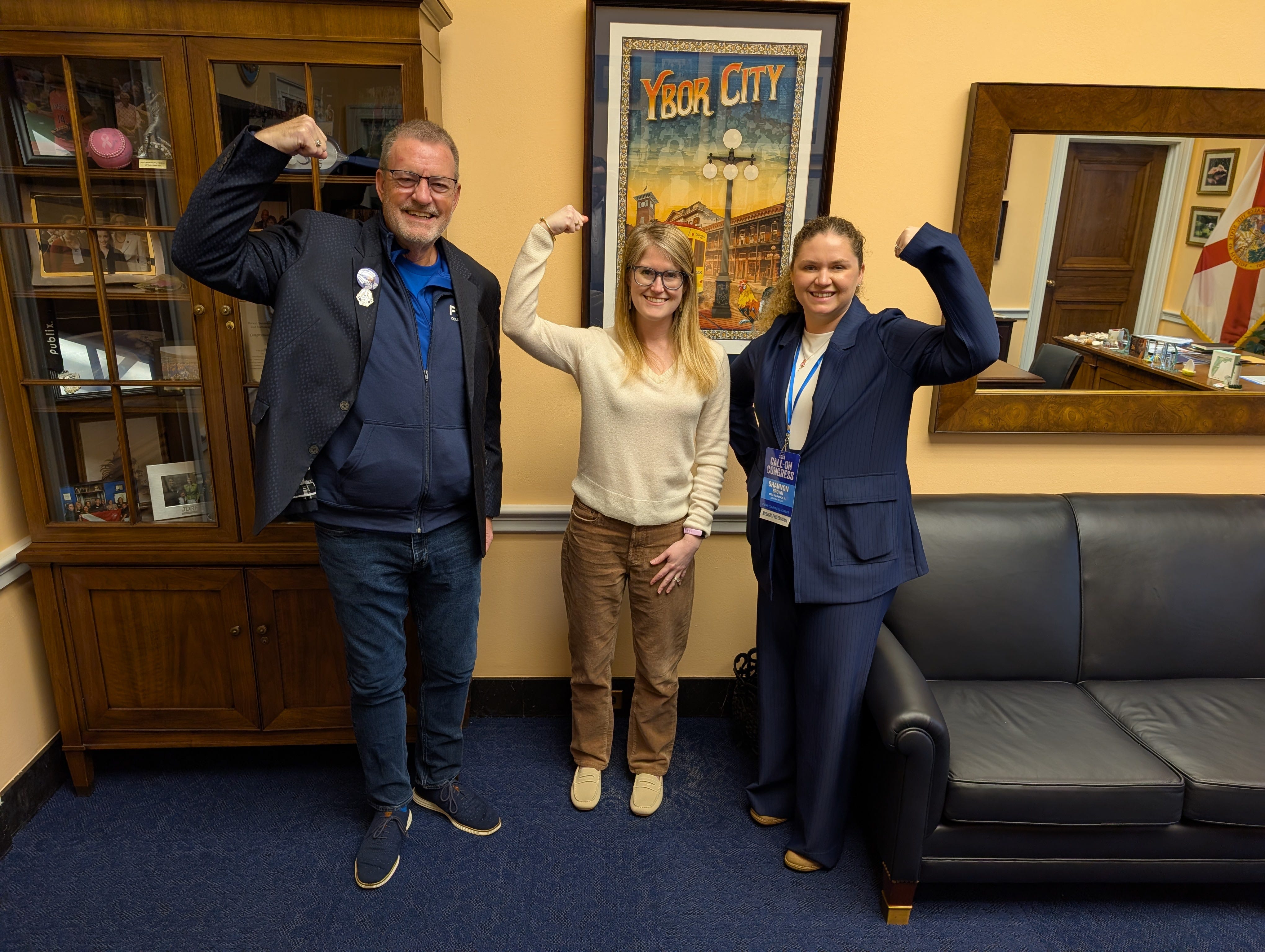
We stood on the National Mall surrounded by thousands of blue flags, each one representing a life. We met with congressional offices. We flexed (literally — you see in the photos). We showed up for the people who couldn’t be there anymore, and for the people who will be diagnosed next year.
To every first-timer in our Florida group: you were extraordinary. Your stories moved people. They moved me. And I hope you felt what I felt five years ago, that moment when you realize this work matters, and so do you.
This is advocacy. This is why we go.
If you’ve been thinking about getting involved but don’t know where to start, that’s exactly what my book is for. From Patient to Advocate is available now.